

Illuminate Your Space: Discover the Art of Customized Architectural Commercial Lighting
Release time:
2025-03-30 13:00
Source:

Illuminate Your Space: Discover the Art of Customized Architectural Commercial Lighting
In today's competitive business landscape, the ambiance of your commercial space significantly influences customer perceptions and employee productivity. **Customized architectural lighting** plays an essential role in creating an inviting atmosphere that reflects your brand's identity while also facilitating functionality and comfort. This article delves into the multifaceted world of commercial lighting, exploring how tailored solutions can transform spaces, enhance experiences, and ultimately drive business success.
The Importance of Lighting in Architectural Spaces
Lighting serves more than just a practical purpose; it is a vital design element that shapes how we perceive our surroundings. Effective **commercial lighting** can enhance architectural features, guide movement, and evoke specific emotions. In this section, we will discuss the significance of lighting in architectural spaces and how it impacts both aesthetics and functionality.
Lighting as an Architectural Element
Incorporating lighting as a fundamental component of architectural design can make a profound difference. Well-placed fixtures can highlight structural elements and create visual interest. Whether it’s a sleek modern office or a rustic restaurant, the right lighting can accentuate the unique characteristics of the space.
Enhancing Functionality Through Strategic Lighting
Proper lighting is crucial for ensuring functionality in commercial settings. For example, in retail environments, strategically placed lights can draw attention to products, while in office spaces, appropriate task lighting can enhance productivity and reduce eye strain. Investing in customized lighting solutions ensures that every aspect of your commercial space serves its intended purpose effectively.
Types of Customized Architectural Lighting Solutions
There is a wide variety of **customized architectural lighting solutions** available, each designed to meet specific needs and preferences. Below we will explore some of the most popular types of lighting used in commercial settings.
1. Ambient Lighting
Ambient lighting provides a general illumination that fills a room and ensures it is adequately lit without causing glare. It sets the fundamental tone of the space and is essential for creating a welcoming environment. Options for ambient lighting include recessed lighting, ceiling-mounted fixtures, and pendant lights.
2. Task Lighting
Task lighting focuses on specific areas where activities occur, such as workstations, reception desks, or dining tables. It provides concentrated illumination that enhances visibility and comfort for specific tasks. Examples include desk lamps, under-cabinet lights, and adjustable spotlights.
3. Accent Lighting
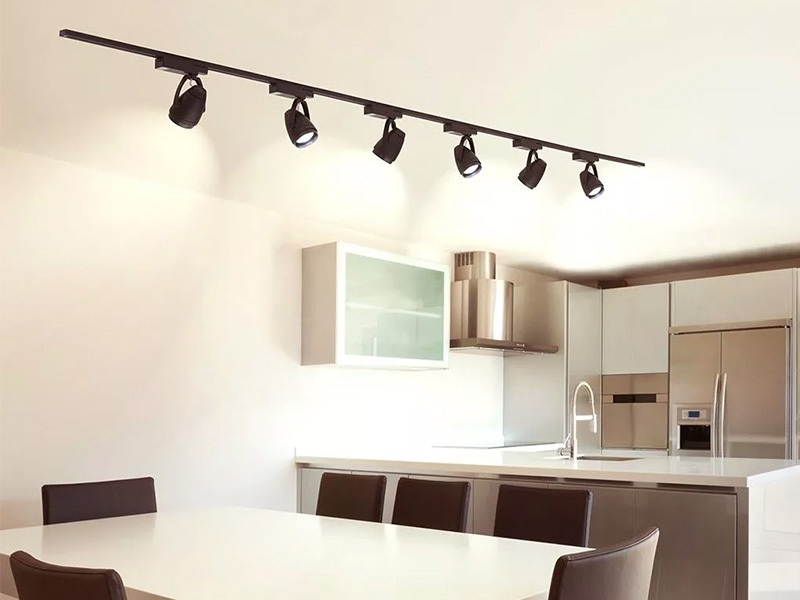
Accent lighting is used to highlight particular architectural features, artwork, or products within a space. This type of lighting adds depth and interest, drawing the eye towards focal points. Using track lights or wall-mounted fixtures can enhance the overall aesthetic of your commercial environment.
4. Decorative Lighting
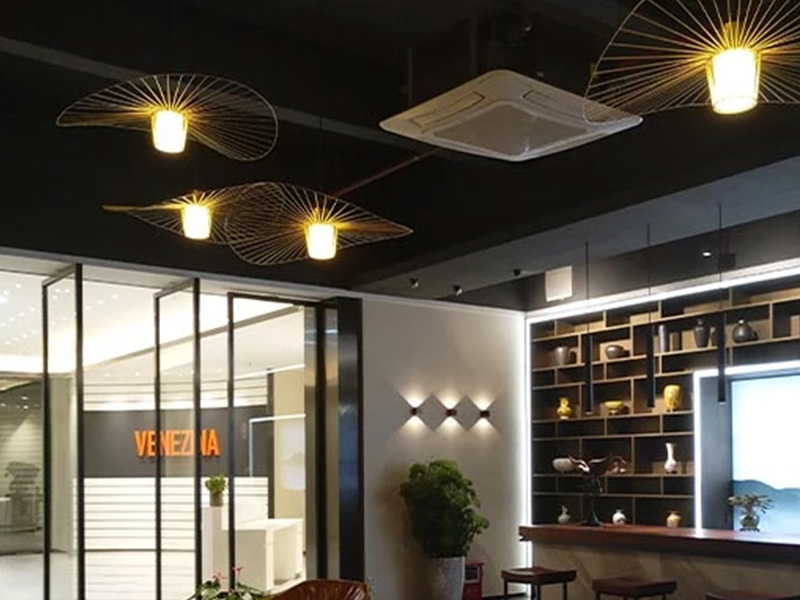
Decorative lighting serves as a statement piece that enhances the overall design of a space. Chandeliers, decorative sconces, and artistic light installations contribute to the aesthetic appeal while also providing functional illumination. Choosing visually striking fixtures can elevate the ambiance of commercial spaces.
Choosing the Right Customized Architectural Lighting
Selecting the right lighting solutions for your commercial space involves careful consideration of several factors. Below, we outline key aspects to keep in mind when designing your lighting strategy.
1. Understanding Your Brand Identity
Every business has a unique identity that should be reflected in its design choices. The lighting you choose should align with your brand image and values. For instance, a tech startup may opt for sleek, modern fixtures, while a boutique hotel might choose warm, inviting lights that create a cozy atmosphere.
2. Assessing Functional Requirements
Consider the specific needs of your space. Identify areas where task lighting is essential, such as workstations or display areas, and incorporate ambient and accent lighting to create a well-rounded lighting scheme. Custom solutions allow you to address these needs effectively.
3. Energy Efficiency and Sustainability
Incorporating energy-efficient lighting solutions not only reduces operational costs but also reflects a commitment to sustainability. LED fixtures, for example, consume significantly less energy than traditional bulbs and have a longer lifespan, making them an excellent choice for commercial applications.
4. Flexibility and Adaptability
As your commercial space evolves, your lighting needs may change. Opting for flexible lighting solutions that can be easily adjusted or reconfigured ensures that your space remains functional and visually appealing over time. Consider systems that offer dimming capabilities or modular designs.
Integrating Smart Technology in Architectural Lighting
The advent of smart technology has revolutionized the way we approach lighting design. Integrating smart systems into your commercial lighting can enhance both convenience and efficiency. Below, we explore how smart technology can be applied to customized architectural lighting.
1. Automated Lighting Control
Automated lighting systems allow you to control the intensity and color of your lights based on the time of day, occupancy levels, or specific activities. This flexibility ensures that your space is always illuminated optimally, enhancing energy efficiency and user comfort.
2. Enhanced User Experience
By leveraging smart technology, businesses can create tailored experiences for customers and employees. For example, a retail store might adjust lighting based on the time of day or current promotions, enhancing the shopping environment and engagement.
3. Remote Management
Modern lighting systems often come with remote management capabilities, allowing you to control your lighting from anywhere. This is particularly beneficial for businesses with multiple locations, ensuring consistency and efficiency across all sites.
Applications of Customized Architectural Lighting
Customized architectural lighting finds applications across various commercial sectors. Below, we explore how different industries benefit from tailored lighting solutions.
1. Retail Spaces
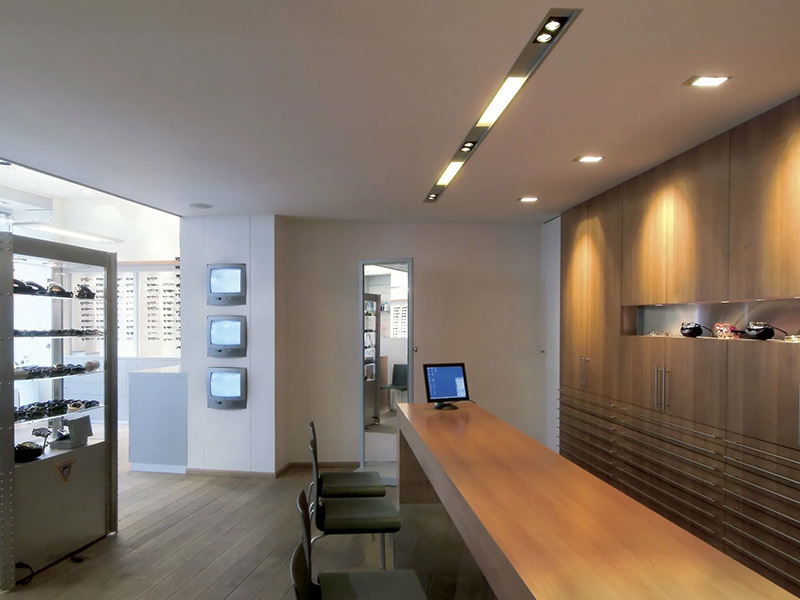
In retail, lighting plays a crucial role in product presentation and customer experience. Customized lighting solutions can highlight products, create inviting displays, and encourage foot traffic, ultimately driving sales.
2. Hospitality Industry
In hotels and restaurants, ambiance is key. Customized lighting can create welcoming environments, enhance dining experiences, and set the mood for various events, like weddings or corporate functions. Thoughtfully designed lighting can elevate the overall guest experience.
3. Office Environments
In modern office settings, productivity and employee well-being are paramount. Customized lighting solutions can reduce glare, enhance focus, and promote collaboration. The right lighting can significantly impact job satisfaction and performance.
4. Healthcare Facilities
In healthcare, proper lighting is essential for patient comfort and staff efficiency. Customized solutions can improve visibility in treatment areas, create calming environments for patients, and facilitate healing through thoughtful lighting design.
Maintenance and Upkeep of Customized Lighting Solutions
To ensure that your customized architectural lighting solutions remain effective and visually appealing, regular maintenance is essential. Here are some key points to consider:
1. Regular Cleaning
Dust and grime can accumulate on light fixtures, diminishing their effectiveness. Regular cleaning not only maintains the aesthetic appeal but also ensures optimal performance. Develop a schedule for cleaning fixtures and replacing bulbs as needed.
2. Monitoring Performance
Pay attention to the performance of your lighting systems. If certain lights flicker or burn out frequently, it may indicate an underlying electrical issue that needs addressing. Regular checks can prevent larger problems down the line.
3. Upgrading Technology
As technology continues to advance, consider upgrading your lighting systems to incorporate the latest innovations. This can enhance functionality, energy efficiency, and user experience. Stay informed about new lighting solutions that could benefit your space.
Conclusion
Customized architectural commercial lighting is an essential investment for businesses looking to enhance their spaces, improve functionality, and create memorable experiences. By understanding the importance of lighting, exploring various types of solutions, and considering factors such as brand identity and energy efficiency, businesses can transform their environments effectively. With ongoing advancements in technology, the potential for tailored lighting solutions continues to grow, making it a pivotal element in architectural design. Illuminate your space with bespoke lighting that meets your needs and elevates your commercial environment to new heights.
FAQs
1. What is architectural lighting?
Architectural lighting refers to the design and implementation of lighting solutions that enhance the aesthetics and functionality of a space. It includes ambient, task, accent, and decorative lighting tailored to specific environments.
2. How can customized lighting improve my business?
Customized lighting can enhance the ambiance of your space, improve customer experiences, boost employee productivity, and reinforce brand identity, ultimately driving business success.
3. What are the energy-efficient lighting options available?
LED lights are among the most energy-efficient options. They consume less energy and have a longer lifespan compared to traditional incandescent bulbs, making them an excellent choice for commercial applications.
4. Can smart lighting systems be integrated into existing setups?
Yes, many smart lighting systems can be integrated into existing setups. Consult with a lighting professional to evaluate compatibility and explore the best options for your space.
5. How often should I clean and maintain my lighting fixtures?
Regular cleaning of lighting fixtures is recommended, ideally every few months, depending on the accumulation of dust and grime. Additionally, monitoring performance and replacing bulbs as needed is crucial for maintaining effectiveness.
Related News
Transform Your Workspace: Seasonal Ceiling Light Decor Ideas for Your Office Room
Transform Your Workspace: Seasonal Ceiling Light Decor Ideas for Your Office Room Table of Contents Understanding the Importance of Lighting in the Office How Seasonal Decor Can Influence Productivity Choosing the Right Ceiling Lights for Each Season Winter Wonderland Ceiling Light Decor Ideas Spring Awakening Ceiling Light Decor Sizzling Summer Ceiling Light Decor Autumn Vibes with
Elevate Your Space: The Essential Guide to Office Pendants
When it comes to lighting in the workplace, office pendants are a versatile and stylish option that can significantly enhance both the aesthetics and functionality of your space. These hanging light fixtures are not just sources of illumination; they are also powerful design elements that can create an inviting atmosphere conducive to productivity. One of the primary advantages of office pendants
Why Every Modern Office Needs Cool Lamps to Shine In today’s fast-paced business world, the workspace plays a crucial role in employee productivity and overall well-being. One often-overlooked aspect of office design is the lighting. **Cool lamps** not only provide illumination but also enhance the ambiance and aesthetic appeal of an office. In this article, we will explore the importance of incor
Choosing the Optimal Ceiling Light for Your Office: A Guide to Effective Lighting Solutions
When it comes to creating an optimal workspace, the importance of proper lighting cannot be overstated. The best ceiling light for your office not only enhances the aesthetic appeal but also plays a crucial role in productivity, mood, and overall well-being. To help you make an informed decision, let's explore the essential aspects of office lighting, particularly focusing on LED ceiling light mod
The Role of Cool Office Ceiling Lights in Modern Interior Design
The Role of Cool Office Ceiling Lights in Modern Interior Design Table of Contents Introduction to Office Ceiling Lights The Importance of Ceiling Lighting in Office Spaces Current Design Trends in Office Lighting Types of Cool Ceiling Lights for Offices Energy Efficiency and Sustainability in Office Lighting The Psychological Impact of Lighting on Productivity Best Practices for Im
Exploring the Benefits of Ceiling Surface Mounted LED Lights
Ceiling surface mounted LED lights have emerged as a preferred lighting solution for numerous applications, owing to their versatility, efficiency, and design flexibility. These types of lights are mounted directly onto the ceiling surface, making them an ideal choice for spaces where recessed lighting is not feasible or desired. Their installation is straightforward, which can significantly reduc


Online Message
If you have any suggestions or questions, please contact us.
Quick Links
Contact Information
HongKong Office:
Room D 10/F Tower A, Billion Centre,
1 Wang Kwong Road, Kowloon Bay, KL, Hongkong.
Mainland Factory and Sales Center:
NO.2 Baoshou Road, Yongkou Industrial Zone, Shijie Town, DongGuan City 523299, China
Phone/WhatsApp: 86-13580861961