

Transforming Interiors: Innovative Uses of Architectural Commercial Lighting
Release time:
2026-02-27 09:00
Source:

Transforming Interiors: Innovative Uses of Architectural Commercial Lighting
Table of Contents
- 1. Introduction to Architectural Commercial Lighting
- 2. Importance of Effective Lighting in Interior Spaces
- 3. Types of Architectural Commercial Lighting
- 4. Current Design Trends in Architectural Lighting
- 5. Innovative Applications of Architectural Lighting
- 6. Case Studies: Successful Transformations
- 7. Sustainable Practices in Commercial Lighting Design
- 8. Future Trends in Architectural Commercial Lighting
- 9. Frequently Asked Questions
- 10. Conclusion
1. Introduction to Architectural Commercial Lighting
The role of **architectural commercial lighting** extends far beyond mere illumination; it is a fundamental element of interior design that shapes our experiences within a space. By strategically using lighting, designers can create atmospheres that influence mood, productivity, and even consumer behavior. Understanding the innovative applications of commercial lighting allows us to appreciate its transformative potential in various environments.
2. Importance of Effective Lighting in Interior Spaces
Effective lighting is critical in shaping **interior spaces**. It serves multiple purposes:
- **Enhancing Aesthetics:** Proper lighting can accentuate architectural features, artwork, and furnishings, creating a visually appealing environment.
- **Improving Functionality:** Effective lighting design ensures that spaces are practical and efficient, catering to the specific needs of their users.
- **Influencing Mood:** Different lighting techniques can evoke various emotional responses, impacting how individuals feel within a space.
In commercial settings, where the goal is often to attract and retain customers, the importance of lighting cannot be overstated.
3. Types of Architectural Commercial Lighting
Understanding the various types of **architectural commercial lighting** is essential for effective design. Here are some key categories:
3.1 Ambient Lighting
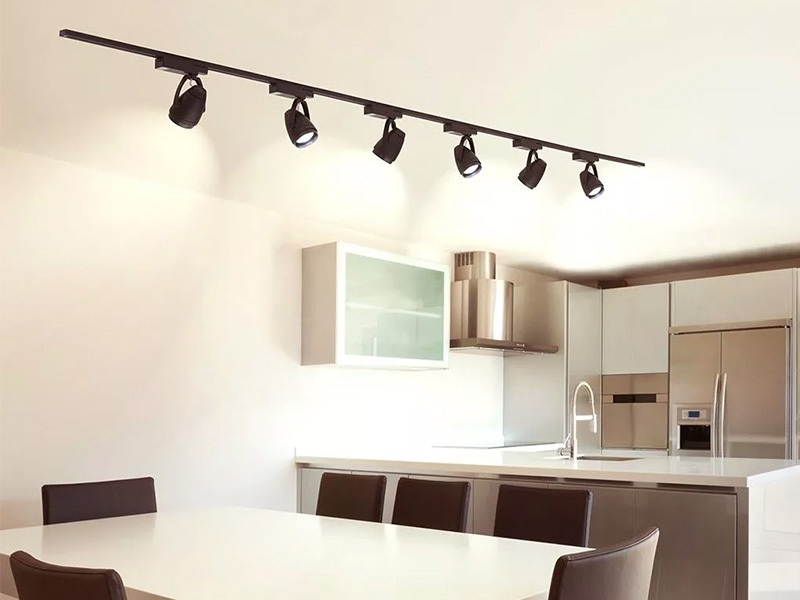
Ambient lighting provides general illumination and is typically the first layer of light in a space. It can come from sources like ceiling-mounted fixtures, chandeliers, or even large windows.
3.2 Task Lighting
Task lighting focuses on specific areas where activities take place, such as desks, workstations, or reading corners. This type of lighting is crucial for improving visibility and reducing eye strain.
3.3 Accent Lighting
Accent lighting is used to highlight particular features, such as artwork or architectural details. It adds depth and interest to a space, creating visual focal points.
3.4 Decorative Lighting
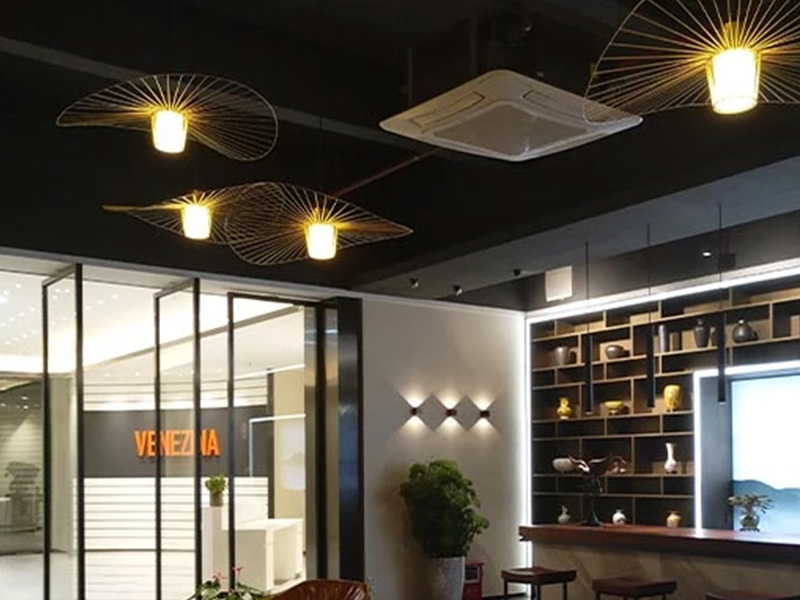
Decorative lighting serves as a design element itself. Fixtures like pendant lights or sculptural lamps can enhance the aesthetic appeal of a room while providing light.
4. Current Design Trends in Architectural Lighting
The field of **architectural commercial lighting** is constantly evolving. Here are some current trends that are shaping the industry:
4.1 Smart Lighting Solutions
With the rise of technology, smart lighting is becoming increasingly popular. These systems allow for greater control over lighting intensity, color, and even scheduling, enhancing both convenience and energy efficiency.
4.2 Minimalistic Design
Minimalism emphasizes simplicity and functionality. Clean lines and unobtrusive fixtures are in vogue, promoting a serene atmosphere while still fulfilling lighting needs.
4.3 Biophilic Design
Biophilic design incorporates natural elements into interior spaces. Lighting that simulates natural light patterns can improve well-being and productivity, making it a sought-after solution in commercial settings.
5. Innovative Applications of Architectural Lighting
Innovative uses of **architectural commercial lighting** can bring about remarkable changes in various environments. Here are some applications that stand out:
5.1 Retail Spaces
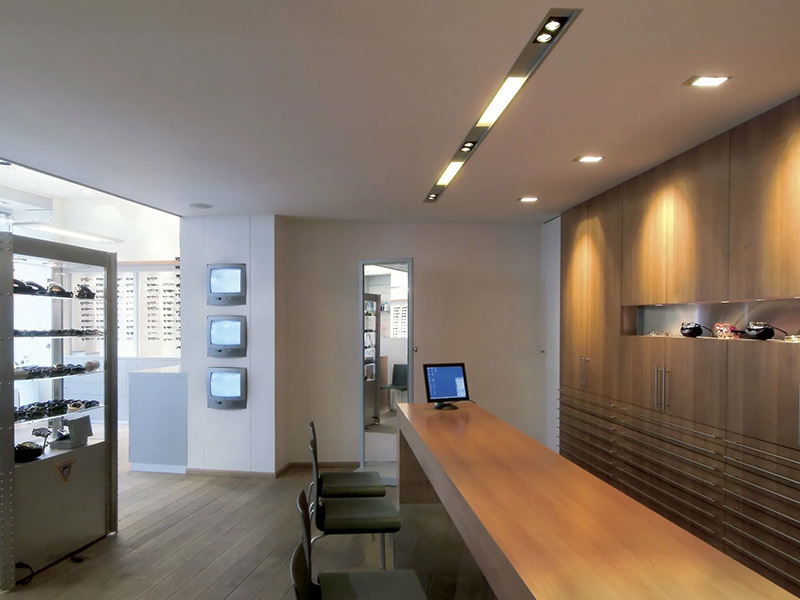
In retail environments, lighting can guide customer behavior. For example, strategically placed accent lighting can draw attention to products, while softer ambient lighting creates a welcoming atmosphere.
5.2 Office Environments
In workplaces, lighting can significantly impact employee productivity and comfort. A combination of ambient and task lighting can create a balanced environment that supports various activities.
5.4 Hospitality Venues
In hotels and restaurants, innovative lighting design can enhance the overall experience. From mood lighting in dining areas to dramatic chandeliers in lobbies, lighting plays a crucial role in setting the tone.
6. Case Studies: Successful Transformations
Several notable projects illustrate the transformative power of **architectural commercial lighting**:
6.1 The High Line Hotel, New York
The High Line Hotel incorporates ambient and decorative lighting to create a warm, inviting atmosphere. Its use of vintage fixtures pays homage to the building's history while offering modern functionality.
6.2 Apple Store, SoHo, New York
Apple's flagship store utilizes a combination of natural light and strategic accent lighting to highlight products while creating an open and airy feel. This innovative application demonstrates how lighting can enhance the shopping experience.
7. Sustainable Practices in Commercial Lighting Design
Sustainability is a growing concern in architectural design. Implementing eco-friendly practices in commercial lighting can reduce energy consumption and environmental impact.
7.1 LED Technology
LED lighting is renowned for its energy efficiency and longevity. Transitioning to LED solutions can significantly reduce operational costs while minimizing carbon footprints.
7.2 Daylight Harvesting
Designing spaces to maximize natural light reduces reliance on artificial lighting during daylight hours. This practice not only lowers energy costs but also enhances occupant comfort.
8. Future Trends in Architectural Commercial Lighting
The future of **architectural commercial lighting** holds exciting possibilities:
8.1 Integration with IoT
The Internet of Things (IoT) will further enhance smart lighting systems, allowing for greater customization and control. Users will be able to adapt lighting based on personal preferences and real-time conditions.
8.2 Increased Focus on Wellness
As awareness of mental health and well-being grows, lighting design will increasingly prioritize biological effects. Circadian lighting that mimics natural light patterns will become more prevalent in commercial spaces.
9. Frequently Asked Questions
9.1 What is architectural commercial lighting?
Architectural commercial lighting encompasses a range of lighting solutions designed to enhance the aesthetics and functionality of interior spaces in commercial settings.
9.2 How does lighting affect mood and productivity?
Lighting can significantly influence mood and productivity by providing appropriate illumination levels, enhancing visual comfort, and creating inviting atmospheres.
9.3 What are the benefits of using LED lighting?
LED lighting is energy-efficient, has a long lifespan, and produces less heat, making it an environmentally friendly and cost-effective choice for commercial spaces.
9.4 How can lighting design impact customer behavior in retail?
Strategic lighting design can guide customers' attention to specific products, enhance the shopping experience, and encourage longer visits, ultimately driving sales.
9.5 What are some sustainable lighting practices?
Sustainable practices include using LED technology, incorporating daylight harvesting strategies, and implementing smart lighting systems that optimize energy use.
10. Conclusion
The innovative uses of **architectural commercial lighting** are reshaping interior spaces, making them more functional, aesthetically pleasing, and sustainable. By understanding the various types and applications of lighting, designers and business owners alike can leverage these insights to create environments that not only meet but exceed user expectations. As technology continues to evolve, the possibilities for architectural lighting are endless, paving the way for a brighter, more inviting future in commercial design.
Related News
Transform Your Workspace: Seasonal Ceiling Light Decor Ideas for Your Office Room
Transform Your Workspace: Seasonal Ceiling Light Decor Ideas for Your Office Room Table of Contents Understanding the Importance of Lighting in the Office How Seasonal Decor Can Influence Productivity Choosing the Right Ceiling Lights for Each Season Winter Wonderland Ceiling Light Decor Ideas Spring Awakening Ceiling Light Decor Sizzling Summer Ceiling Light Decor Autumn Vibes with
Elevate Your Space: The Essential Guide to Office Pendants
When it comes to lighting in the workplace, office pendants are a versatile and stylish option that can significantly enhance both the aesthetics and functionality of your space. These hanging light fixtures are not just sources of illumination; they are also powerful design elements that can create an inviting atmosphere conducive to productivity. One of the primary advantages of office pendants
Why Every Modern Office Needs Cool Lamps to Shine In today’s fast-paced business world, the workspace plays a crucial role in employee productivity and overall well-being. One often-overlooked aspect of office design is the lighting. **Cool lamps** not only provide illumination but also enhance the ambiance and aesthetic appeal of an office. In this article, we will explore the importance of incor
Choosing the Optimal Ceiling Light for Your Office: A Guide to Effective Lighting Solutions
When it comes to creating an optimal workspace, the importance of proper lighting cannot be overstated. The best ceiling light for your office not only enhances the aesthetic appeal but also plays a crucial role in productivity, mood, and overall well-being. To help you make an informed decision, let's explore the essential aspects of office lighting, particularly focusing on LED ceiling light mod
The Role of Cool Office Ceiling Lights in Modern Interior Design
The Role of Cool Office Ceiling Lights in Modern Interior Design Table of Contents Introduction to Office Ceiling Lights The Importance of Ceiling Lighting in Office Spaces Current Design Trends in Office Lighting Types of Cool Ceiling Lights for Offices Energy Efficiency and Sustainability in Office Lighting The Psychological Impact of Lighting on Productivity Best Practices for Im
Exploring the Benefits of Ceiling Surface Mounted LED Lights
Ceiling surface mounted LED lights have emerged as a preferred lighting solution for numerous applications, owing to their versatility, efficiency, and design flexibility. These types of lights are mounted directly onto the ceiling surface, making them an ideal choice for spaces where recessed lighting is not feasible or desired. Their installation is straightforward, which can significantly reduc


Online Message
If you have any suggestions or questions, please contact us.
Quick Links
Contact Information
HongKong Office:
Room D 10/F Tower A, Billion Centre,
1 Wang Kwong Road, Kowloon Bay, KL, Hongkong.
Mainland Factory and Sales Center:
NO.2 Baoshou Road, Yongkou Industrial Zone, Shijie Town, DongGuan City 523299, China
Phone/WhatsApp: 86-13580861961