

How Architectural Downlights Enhance Modern Interior Design
Release time:
2026-03-29 09:00
Source:

How Architectural Downlights Enhance Modern Interior Design
Table of Contents
- Introduction to Architectural Downlights
- Understanding the Relationship Between Architecture and Lighting
- Benefits of Architectural Downlights in Modern Spaces
- Types of Architectural Downlights
- Key Design Considerations for Using Downlights
- Applications of Architectural Downlights in Interior Design
- Frequently Asked Questions
- Conclusion
Introduction to Architectural Downlights
In the realm of modern interior design, **architectural downlights** have emerged as a vital component that not only enhances the visual appeal of spaces but also contributes to their functionality. These lighting fixtures, which are integrated into the architecture of a building, provide a sleek and unobtrusive means of illumination. As we delve deeper into the world of architectural downlights, we will uncover how they play a crucial role in shaping contemporary interiors and enhancing overall aesthetic experiences.
Understanding the Relationship Between Architecture and Lighting
The interplay between architecture and lighting is fundamental to creating harmonious spaces. **Architectural downlights** serve to highlight architectural features while ensuring that the lighting complements the design elements. The careful placement of these lights can accentuate textures, colors, and materials, ultimately influencing how occupants perceive a space. By understanding the synergy between architecture and lighting, designers can create environments that are not only functional but also emotionally resonant.
Benefits of Architectural Downlights in Modern Spaces
Architectural downlights offer numerous advantages that make them a preferred choice in contemporary interior design. Let's explore some of these benefits in detail.
Aesthetic Appeal
One of the most significant benefits of architectural downlights is their ability to enhance the **aesthetic appeal** of a space. Available in various designs, finishes, and light output options, these fixtures can seamlessly integrate into any design theme—be it minimalist, industrial, or classic. The uniform distribution of light creates a refined atmosphere, emphasizing the beauty of architectural elements such as high ceilings, intricate moldings, and unique furnishings.
Versatility in Design
Architectural downlights are remarkably versatile. They can be used in various settings, from **residential** spaces to **commercial** establishments. These fixtures can be strategically placed to create specific lighting effects, such as wall washing, accent lighting, or ambient illumination. The flexibility in design also allows for customization, making it easy to adapt to changing design trends or personal preferences.
Energy Efficiency and Sustainability
With growing awareness around environmental issues, energy efficiency has become a paramount consideration in lighting design. Architectural downlights, particularly those using **LED technology**, provide an energy-efficient lighting solution. They consume significantly less energy compared to traditional incandescent or halogen lights, lowering electricity costs and carbon footprints. Furthermore, LED downlights have a longer lifespan, reducing the frequency of replacements and waste.
Types of Architectural Downlights
Understanding the different types of architectural downlights is essential for selecting the right fixture for your space. Below are the most common types of downlights used in modern interior design.
Recessed Downlights
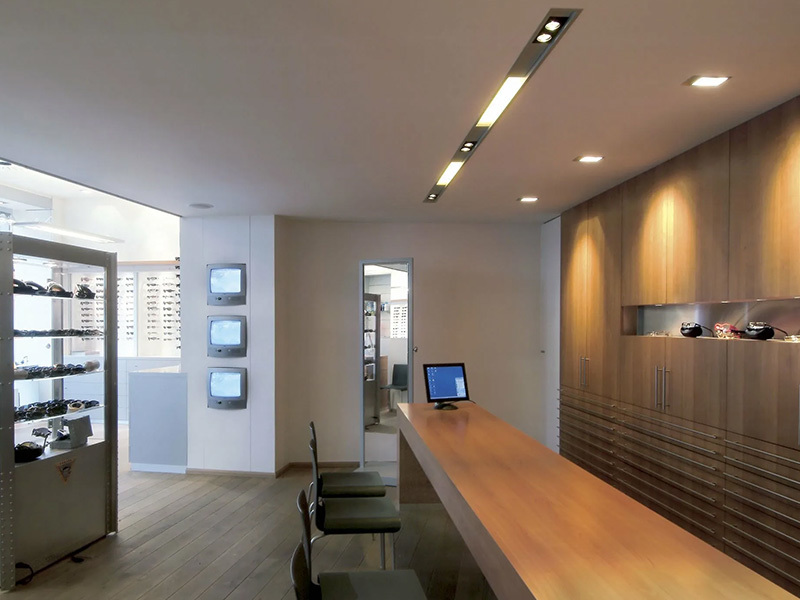
**Recessed downlights** are installed directly into the ceiling, creating a clean and streamlined look. They are ideal for spaces where a minimalist aesthetic is desired. These fixtures can be used to provide general lighting or to highlight specific areas, making them versatile for various applications.
Surface-Mounted Downlights
Unlike recessed fixtures, **surface-mounted downlights** are affixed to the surface of the ceiling. They are an excellent choice for spaces where ceiling height is limited or where recessed installation is not feasible. These fixtures can add a decorative touch while providing effective illumination.
Pendant Downlights
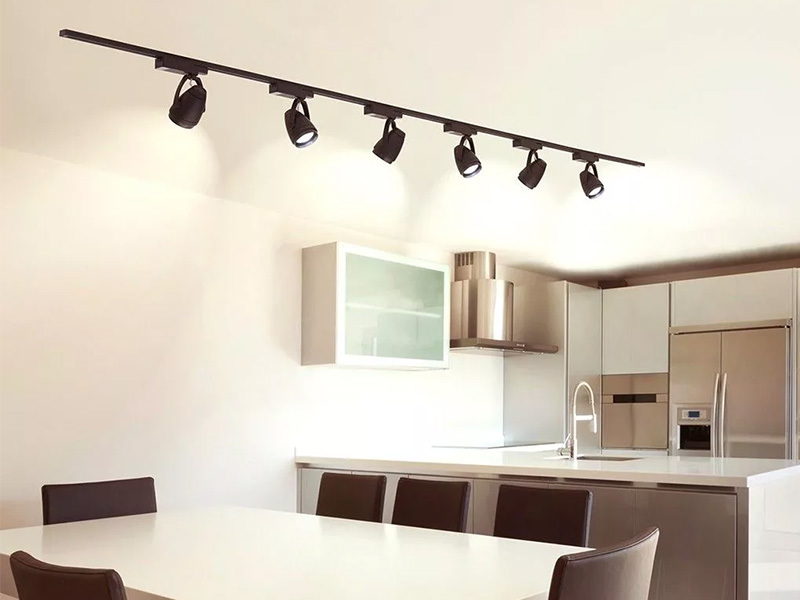
**Pendant downlights** hang from the ceiling and are often used as statement pieces in a room. They can be highly decorative, serving both functional and aesthetic purposes. Pendant fixtures work well over dining tables, kitchen islands, or entryways, bringing a focal point to the design while providing effective light where it’s needed most.
Key Design Considerations for Using Downlights
When incorporating architectural downlights into your interior design, several key considerations should be taken into account to ensure optimal results.
Light Placement
The placement of downlights is critical to achieving the desired lighting effect. Proper positioning can prevent dark spots and ensure even lighting throughout the space. In general, downlights should be spaced evenly to provide consistent illumination, allowing for adjustments based on the height of the ceiling and the purpose of the space.
Brightness and Color Temperature
Choosing the right brightness and **color temperature** is crucial for setting the desired mood in a room. Warmer tones tend to create a cozy and inviting atmosphere, while cooler tones can promote focus and productivity. Lighting professionals often recommend using dimmable fixtures to offer flexibility in adjusting brightness levels according to the time of day or specific activities.
Integration with Other Lighting Solutions
To achieve a well-lit environment, it is essential to integrate downlights with other lighting solutions, such as task lighting, accent lighting, and ambient lighting. This layered approach creates depth and dimension in a space, enhancing both functionality and style.
Applications of Architectural Downlights in Interior Design
Architectural downlights can be applied across various settings, amplifying their versatility as an essential design element.
Residential Settings
In residential spaces, architectural downlights can illuminate key areas such as kitchens, living rooms, and hallways. Their ability to provide a clean and modern lighting solution makes them perfect for homes seeking a contemporary aesthetic. For instance, in the kitchen, downlights can be strategically placed above countertops and islands, enhancing both functionality and style.
Commercial Settings
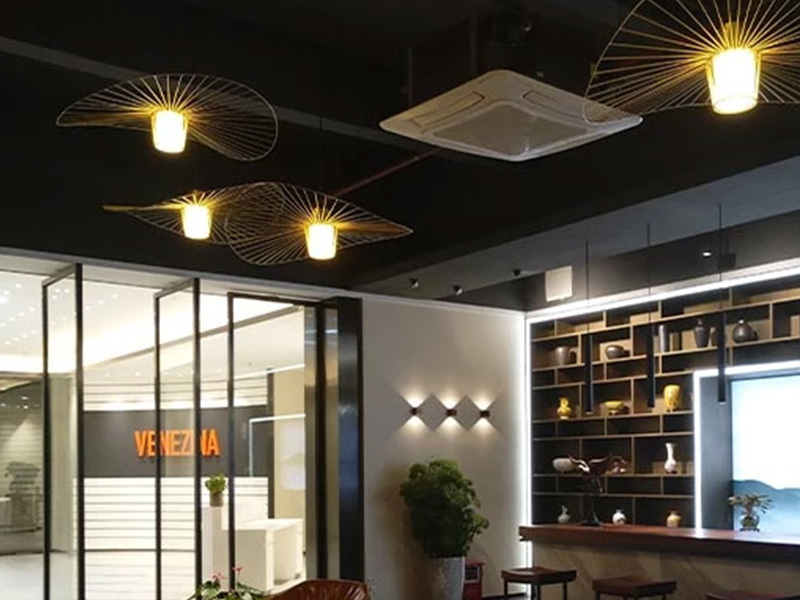
In commercial environments, architectural downlights can enhance the customer experience by creating an inviting atmosphere. Retail stores, restaurants, and offices can all benefit from the versatility of downlights. For example, in a restaurant, downlights can be installed to create moody, intimate dining areas, while brighter, focused lighting can be applied to showcase products in retail settings.
Frequently Asked Questions
1. What are architectural downlights?
Architectural downlights are recessed or surface-mounted fixtures used to provide focused lighting in a variety of settings. They are designed to blend seamlessly into the architecture of a space while offering aesthetic and functional benefits.
2. How are downlights installed?
Installation of downlights can vary based on the type. Recessed downlights typically require cutting a hole in the ceiling, while surface-mounted downlights are affixed directly to the ceiling. It is advisable to consult with a professional electrician for installation.
3. Can I use LED bulbs in architectural downlights?
Yes, many architectural downlights are compatible with LED bulbs, which offer energy efficiency, longevity, and lower heat output compared to traditional bulbs.
4. Are downlights suitable for all types of interior design?
Architectural downlights can be customized to suit a wide range of interior design styles, from modern to traditional. Their versatility makes them adaptable to various design themes and applications.
5. What is the best way to arrange downlights in a room?
The arrangement of downlights should be based on the room's layout and purpose. Generally, they should be evenly spaced and positioned to avoid dark areas while highlighting key features in the space.
Conclusion
In conclusion, architectural downlights are integral to modern interior design, offering both aesthetic appeal and functional lighting solutions. Their versatility, energy efficiency, and ability to enhance architectural features make them a popular choice in various settings, from residential homes to commercial spaces. By understanding how to effectively utilize architectural downlights, designers can create illuminating environments that resonate with occupants and elevate the overall design experience. Embracing these innovative lighting solutions ensures that spaces not only look stunning but also function beautifully, meeting the diverse needs of today’s design landscape.
Related News
Transform Your Workspace: Seasonal Ceiling Light Decor Ideas for Your Office Room
Transform Your Workspace: Seasonal Ceiling Light Decor Ideas for Your Office Room Table of Contents Understanding the Importance of Lighting in the Office How Seasonal Decor Can Influence Productivity Choosing the Right Ceiling Lights for Each Season Winter Wonderland Ceiling Light Decor Ideas Spring Awakening Ceiling Light Decor Sizzling Summer Ceiling Light Decor Autumn Vibes with
Elevate Your Space: The Essential Guide to Office Pendants
When it comes to lighting in the workplace, office pendants are a versatile and stylish option that can significantly enhance both the aesthetics and functionality of your space. These hanging light fixtures are not just sources of illumination; they are also powerful design elements that can create an inviting atmosphere conducive to productivity. One of the primary advantages of office pendants
Why Every Modern Office Needs Cool Lamps to Shine In today’s fast-paced business world, the workspace plays a crucial role in employee productivity and overall well-being. One often-overlooked aspect of office design is the lighting. **Cool lamps** not only provide illumination but also enhance the ambiance and aesthetic appeal of an office. In this article, we will explore the importance of incor
Choosing the Optimal Ceiling Light for Your Office: A Guide to Effective Lighting Solutions
When it comes to creating an optimal workspace, the importance of proper lighting cannot be overstated. The best ceiling light for your office not only enhances the aesthetic appeal but also plays a crucial role in productivity, mood, and overall well-being. To help you make an informed decision, let's explore the essential aspects of office lighting, particularly focusing on LED ceiling light mod
The Role of Cool Office Ceiling Lights in Modern Interior Design
The Role of Cool Office Ceiling Lights in Modern Interior Design Table of Contents Introduction to Office Ceiling Lights The Importance of Ceiling Lighting in Office Spaces Current Design Trends in Office Lighting Types of Cool Ceiling Lights for Offices Energy Efficiency and Sustainability in Office Lighting The Psychological Impact of Lighting on Productivity Best Practices for Im
Exploring the Benefits of Ceiling Surface Mounted LED Lights
Ceiling surface mounted LED lights have emerged as a preferred lighting solution for numerous applications, owing to their versatility, efficiency, and design flexibility. These types of lights are mounted directly onto the ceiling surface, making them an ideal choice for spaces where recessed lighting is not feasible or desired. Their installation is straightforward, which can significantly reduc


Online Message
If you have any suggestions or questions, please contact us.
Quick Links
Contact Information
HongKong Office:
Room D 10/F Tower A, Billion Centre,
1 Wang Kwong Road, Kowloon Bay, KL, Hongkong.
Mainland Factory and Sales Center:
NO.2 Baoshou Road, Yongkou Industrial Zone, Shijie Town, DongGuan City 523299, China
Phone/WhatsApp: 86-13580861961