

Creating Mood with the Newest Architectural Downlights: Revolutionizing Interior Lighting
Release time:
2025-05-16 10:01
Source:

Architectural downlights are more than mere light fixtures; they are essential tools for enhancing the atmosphere of any space. Integrating modern architectural downlights into both residential and commercial environments can significantly influence the mood and functionality of a room. With advancements in LED technology, the range of styles, brightness levels, and color temperatures available is greater than ever. Understanding how to effectively utilize these fixtures allows designers and homeowners alike to harness the transformative power of light.
The Importance of Mood Lighting in Interior Design
Mood lighting plays a pivotal role in how we perceive and interact with interior spaces. Whether it’s a cozy living room, a bustling office, or a serene restaurant, the right lighting can make all the difference. Here are several reasons why mood lighting is crucial:
Enhancing Emotional Well-Being
Lighting can evoke emotions and influence our mental state. Warm, soft light often creates a relaxed environment, while brighter, cooler light can invigorate and energize a space. By selecting the appropriate LED downlights, we can tailor the ambiance to meet specific emotional needs.
Creating Visual Hierarchy
Architectural downlights help establish a visual hierarchy in a room. By directing focus on particular features, such as artwork or architectural elements, these fixtures can guide the eye and enhance the overall aesthetic appeal.
Boosting Functionality in Various Spaces
Different areas of a home or commercial space require varying levels of illumination. Employing adjustable downlights allows for flexibility in lighting design, ensuring that each area is adequately lit for its intended use.
Choosing the Right LED Downlights for Your Space
When selecting LED downlights, several factors should be considered to ensure the chosen fixtures complement the design and functionality of the space.
Understanding Color Temperature
Color temperature is measured in Kelvin (K) and significantly impacts the mood of a room. Here’s a quick guide to common color temperatures and their effects:
- **Warm White (2700K - 3000K)**: Ideal for living spaces, it creates a cozy and inviting atmosphere.
- **Neutral White (3500K - 4100K)**: Works well in kitchens and workspaces, providing a balance between warmth and brightness.
- **Cool White (5000K - 6500K)**: Best for task-oriented areas, such as offices and garages, as it enhances focus and alertness.
Brightness Levels and Lumen Output
Brightness is expressed in lumens. It’s essential to calculate the lumen output needed for each room based on its size and purpose. For example, a living room may require around 100 lumens per square meter, while a kitchen may need 200 lumens or more for efficient task lighting.
Fixture Type and Style
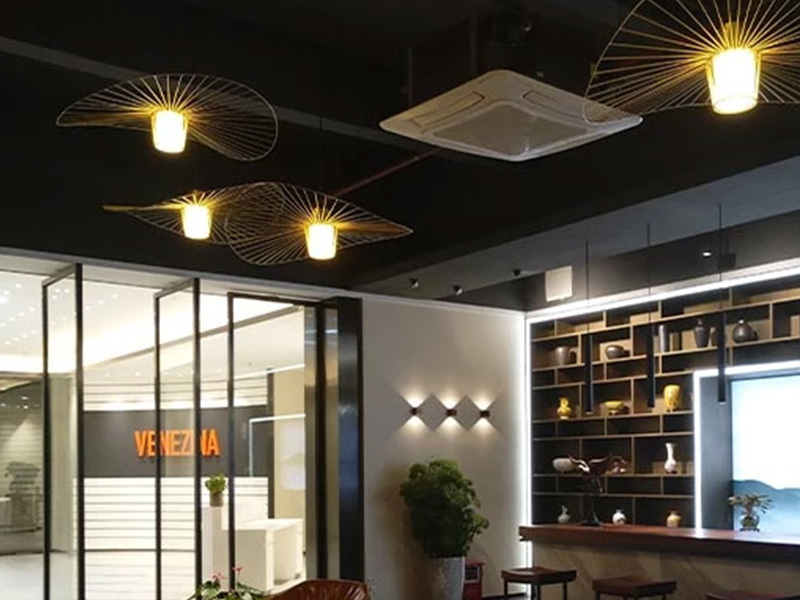
Architectural downlights come in various styles, including recessed, surface-mounted, and pendant options. The choice of fixture type should align with the overall design scheme and architectural elements of the space. For example, recessed downlights are perfect for minimalist designs, while pendant lights can serve as dramatic focal points.
Innovative Features of Newest LED Downlights
The latest advancements in LED downlight technology have introduced features that enhance both functionality and aesthetics.
Dimming Capabilities
Dimmer switches allow users to adjust the brightness of their downlights, providing flexibility in mood setting. This feature is particularly valuable in spaces that serve multiple purposes, such as dining rooms or living areas.
Smart Lighting Integration
Smart LED downlights can be controlled via mobile apps or voice-activated systems, allowing for convenient adjustments and personalization. This innovation enables users to change the color temperature and brightness based on their preferences or the time of day.
Energy Efficiency and Sustainability
LED technology is known for its energy efficiency, consuming significantly less power than traditional lighting options. Additionally, many manufacturers are adopting sustainable practices in producing their fixtures, making them an environmentally friendly choice.
Tips for Creating Mood with Architectural Downlights
To effectively utilize architectural downlights for mood creation, consider the following tips:
Layering Light Sources
Combining downlights with other light sources, such as floor lamps or wall sconces, creates a layered lighting effect that enhances depth and interest. This approach can elevate the overall ambiance of a room.
Focal Points and Accent Lighting
Use architectural downlights to highlight key features in a space, such as artwork, architectural details, or plants. Accent lighting draws attention and adds visual appeal.
Adjusting for Seasonal Changes
Changing the color temperature and brightness of your lighting can reflect seasonal shifts. Warmer tones can create a cozy feel during the colder months, while cooler tones may be more refreshing during the summer.
Real-Life Applications of Architectural Downlights
Understanding how to apply architectural downlights creatively in different settings can provide inspiration for your lighting projects.
Residential Spaces
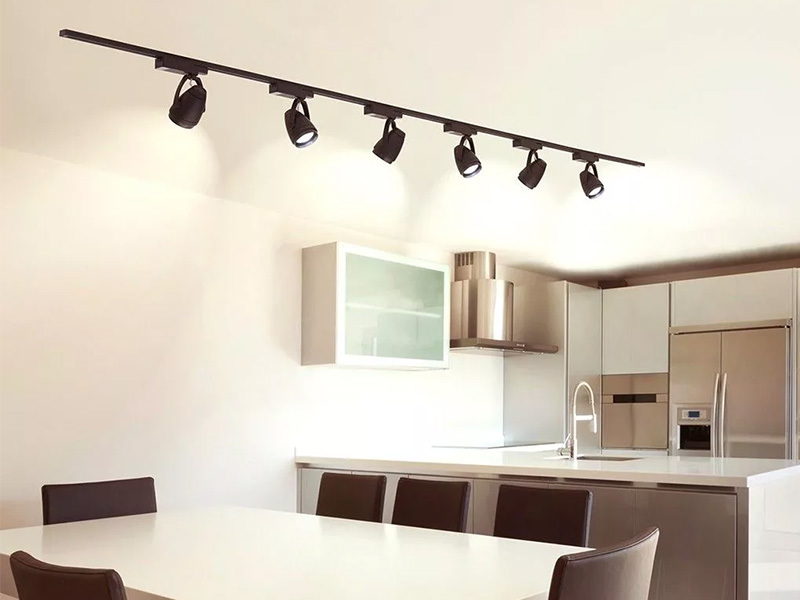
In a residential setting, downlights can be strategically placed in living rooms, kitchens, and bedrooms to create a mood that reflects personal style. For instance, using warm white lights in a bedroom promotes relaxation, while brighter lights in a kitchen enhance functionality.
Commercial Environments
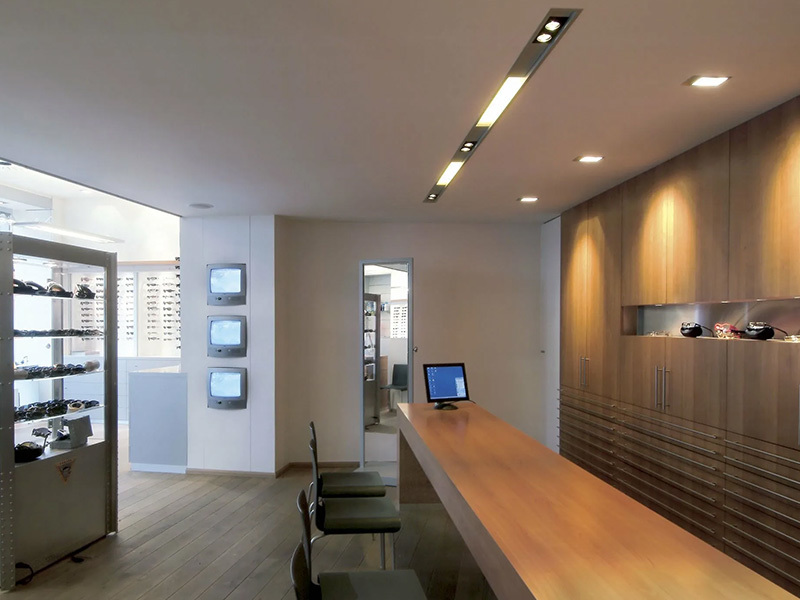
Businesses can benefit from architectural downlights that create an inviting atmosphere for customers. Restaurants, for example, utilize warm lighting to encourage relaxation, while retail stores might opt for cooler lighting to enhance product visibility.
Hospitality and Public Spaces
Hotels and public venues use downlighting to create memorable experiences. Thoughtfully designed lighting can elevate the ambiance in lobbies, dining areas, and conference rooms, making them more welcoming and functional.
Common Mistakes to Avoid When Implementing Downlights
While architectural downlights can significantly enhance a space, it’s essential to avoid common pitfalls in their implementation.
Over-Lighting or Under-Lighting
Striking the right balance between brightness levels is crucial. Over-lighting can create a sterile atmosphere, while under-lighting can lead to discomfort and hinder usability.
Ignoring the Layout
The layout of a room plays a critical role in how light is distributed. Failing to consider the placement of furniture and architectural features may lead to uneven lighting and an uninviting space.
Not Considering Adjustability
Choosing downlights without dimming capabilities or adjustable features may limit versatility. Selecting fixtures that allow for customization can adapt to changing needs and occasions.
Architectural downlights are a powerful tool in the arsenal of modern interior design. By understanding their role in creating mood, selecting the right fixtures, and implementing innovative lighting techniques, we can transform any space into an inviting and functional environment. With the latest advancements in LED technology, the possibilities are endless. Embrace the art of lighting design and let downlights illuminate your creativity and vision.
Related News
Transform Your Workspace: Seasonal Ceiling Light Decor Ideas for Your Office Room
Transform Your Workspace: Seasonal Ceiling Light Decor Ideas for Your Office Room Table of Contents Understanding the Importance of Lighting in the Office How Seasonal Decor Can Influence Productivity Choosing the Right Ceiling Lights for Each Season Winter Wonderland Ceiling Light Decor Ideas Spring Awakening Ceiling Light Decor Sizzling Summer Ceiling Light Decor Autumn Vibes with
Elevate Your Space: The Essential Guide to Office Pendants
When it comes to lighting in the workplace, office pendants are a versatile and stylish option that can significantly enhance both the aesthetics and functionality of your space. These hanging light fixtures are not just sources of illumination; they are also powerful design elements that can create an inviting atmosphere conducive to productivity. One of the primary advantages of office pendants
Why Every Modern Office Needs Cool Lamps to Shine In today’s fast-paced business world, the workspace plays a crucial role in employee productivity and overall well-being. One often-overlooked aspect of office design is the lighting. **Cool lamps** not only provide illumination but also enhance the ambiance and aesthetic appeal of an office. In this article, we will explore the importance of incor
Choosing the Optimal Ceiling Light for Your Office: A Guide to Effective Lighting Solutions
When it comes to creating an optimal workspace, the importance of proper lighting cannot be overstated. The best ceiling light for your office not only enhances the aesthetic appeal but also plays a crucial role in productivity, mood, and overall well-being. To help you make an informed decision, let's explore the essential aspects of office lighting, particularly focusing on LED ceiling light mod
The Role of Cool Office Ceiling Lights in Modern Interior Design
The Role of Cool Office Ceiling Lights in Modern Interior Design Table of Contents Introduction to Office Ceiling Lights The Importance of Ceiling Lighting in Office Spaces Current Design Trends in Office Lighting Types of Cool Ceiling Lights for Offices Energy Efficiency and Sustainability in Office Lighting The Psychological Impact of Lighting on Productivity Best Practices for Im
Exploring the Benefits of Ceiling Surface Mounted LED Lights
Ceiling surface mounted LED lights have emerged as a preferred lighting solution for numerous applications, owing to their versatility, efficiency, and design flexibility. These types of lights are mounted directly onto the ceiling surface, making them an ideal choice for spaces where recessed lighting is not feasible or desired. Their installation is straightforward, which can significantly reduc


Online Message
If you have any suggestions or questions, please contact us.
Quick Links
Contact Information
HongKong Office:
Room D 10/F Tower A, Billion Centre,
1 Wang Kwong Road, Kowloon Bay, KL, Hongkong.
Mainland Factory and Sales Center:
NO.2 Baoshou Road, Yongkou Industrial Zone, Shijie Town, DongGuan City 523299, China
Phone/WhatsApp: 86-13580861961