

Illuminate Your Space: The Art of Architectural Commercial Lighting
Release time:
2025-02-17 13:40
Source:

Architectural commercial lighting involves the strategic use of light to enhance the aesthetic and functional aspects of commercial spaces. It is not just about illumination; it is about creating an atmosphere that reflects the brand's identity and enhances the user experience. From retail spaces to corporate offices, effective lighting design plays a crucial role in how customers and employees perceive and interact with a space.

The Importance of Proper Lighting in Commercial Spaces
Proper lighting is essential for various reasons:
1. **Enhancing Aesthetics**: Good lighting highlights architectural features, art installations, and merchandise in a way that attracts attention and creates a pleasing environment.
2. **Improving Functionality**: Different areas require different lighting levels; well-lit workspaces enhance productivity, while softer lighting in lounge areas fosters relaxation.
3. **Influencing Mood**: Lighting can significantly affect mood and behavior. Bright lights can energize a space, while warm tones can create a calming environment.
4. **Safety and Security**: Adequate lighting is crucial for ensuring safety in commercial spaces, allowing for easy navigation and deterring potential hazards.
Types of Architectural Commercial Lighting
Understanding the different types of architectural lighting is vital for effective design:
Ambient Lighting
Ambient lighting serves as the primary source of illumination in a space. It provides a uniform level of light that allows people to navigate comfortably.
Task Lighting
Task lighting focuses on specific areas where activities occur, such as desks or workstations. This type of lighting is essential for enhancing visibility and reducing eye strain.
Accent Lighting
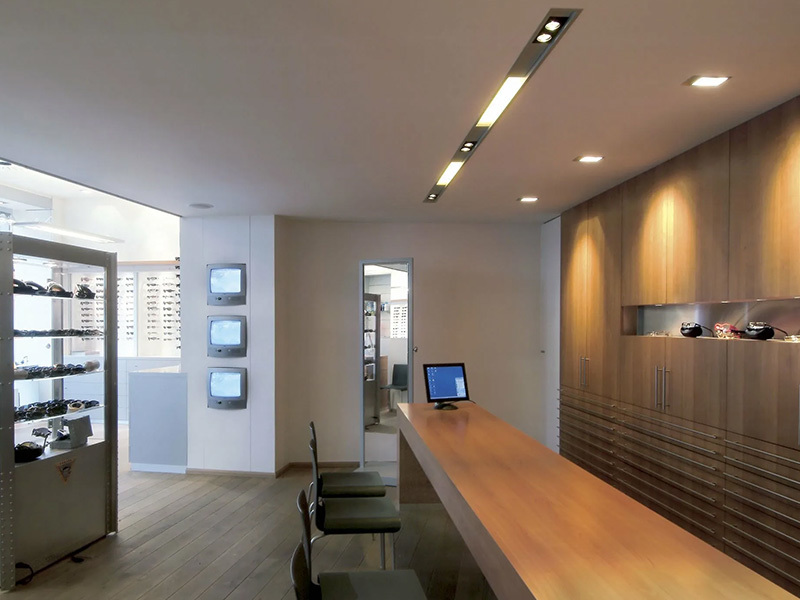
Accent lighting is used to highlight specific features or areas, such as artwork, merchandise displays, or architectural details. This type of lighting adds depth and interest to the overall design.
Decorative Lighting
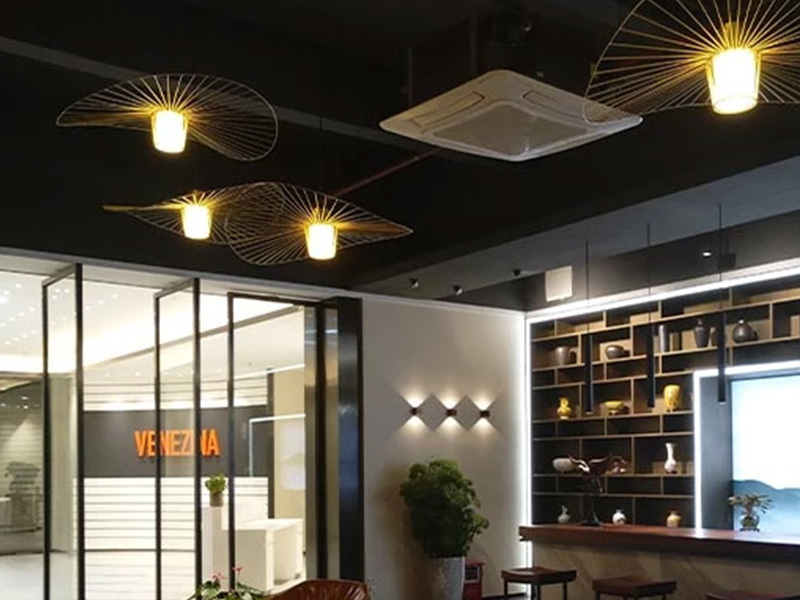
Decorative lighting serves as both a functional and aesthetic component. Fixtures such as chandeliers or unique pendant lights can become focal points within a space while providing necessary illumination.
Key Design Principles for Effective Lighting
To create an effective lighting design, consider the following principles:
Layering Light
Using a combination of ambient, task, accent, and decorative lighting creates a dynamic environment. Layering light allows for flexibility in adjusting the atmosphere according to different activities and times of the day.
Balancing Light Levels
It is crucial to balance light levels throughout the space to avoid areas that are too bright or too dim. Properly balanced lighting enhances comfort and functionality.
Color Temperature
Color temperature, measured in Kelvin (K), influences the mood of a space. Warmer lights (2700K-3000K) create a cozy atmosphere, while cooler lights (4000K-5000K) promote alertness, making them ideal for workspaces.
Focal Points
Identify key focal points in the space and enhance them with appropriate lighting. This draws attention to important features and creates a sense of hierarchy within the design.
Current Trends in Architectural Commercial Lighting
Staying informed about the latest trends is essential for modern lighting design. Here are some trends shaping the industry today:
Smart Lighting Technology
Smart lighting systems allow for remote control and customization of lighting settings. This technology enhances energy efficiency and user experience.
Sustainable Lighting Solutions
With increasing awareness of environmental impact, sustainable lighting solutions, such as LED fixtures and solar-powered options, are becoming more popular in commercial spaces.
Biophilic Design
Integrating natural elements into lighting design, such as the use of sunlight and organic materials, promotes a connection to nature and enhances well-being.
Minimalist Aesthetic
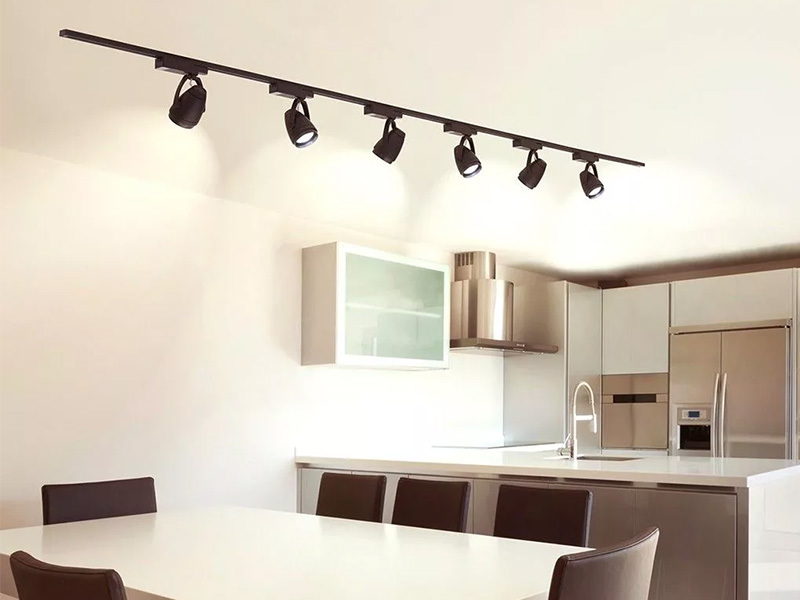
A minimalist approach emphasizes sleek, unobtrusive lighting fixtures that blend seamlessly into the architecture, allowing the space itself to shine.
Energy Efficiency and Sustainability in Lighting
Sustainability is a critical consideration in architectural lighting. Implementing energy-efficient lighting solutions not only reduces operational costs but also lessens environmental impact.
Utilizing LEDs
LEDs are widely recognized for their energy efficiency, longevity, and versatility. Transitioning to LED lighting can significantly lower energy consumption within commercial spaces.
Daylight Harvesting
Incorporating natural light through windows, skylights, and reflective surfaces minimizes reliance on artificial lighting during daytime hours, promoting both sustainability and a healthier indoor environment.
Automated Controls
Integrating automated lighting controls, such as occupancy sensors and timers, optimizes energy usage by adjusting light levels based on occupancy and time of day.
Common Mistakes to Avoid in Lighting Design
Avoiding common pitfalls can enhance the effectiveness of your lighting design:
Overlooking Scale and Proportion
Selecting fixtures that are too large or too small for a space can disrupt the visual balance. Always consider the scale of both the fixtures and the room.
Ignoring Natural Light
Failing to account for natural light can lead to over-illumination or under-illumination. Assess how natural light interacts with the space throughout the day.
Neglecting Maintenance
Choosing fixtures that require excessive maintenance can lead to increased costs and dissatisfaction. Opt for durable, low-maintenance options whenever possible.
Disregarding User Experience
Ultimately, lighting should enhance the user experience. Engage with end-users to understand their needs and preferences during the design process.
Architectural commercial lighting is an art that combines functionality, aesthetics, and user experience. By understanding the various types of lighting, applying key design principles, and staying current with trends, you can create a space that not only illuminates but inspires. Proper lighting transforms commercial environments, making them memorable and inviting. Whether you are redesigning an existing space or planning a new one, prioritizing effective lighting design will undoubtedly enhance both the aesthetic appeal and the operational efficiency of your commercial space.
Related News
Illuminating Your Space: The Latest Trends in Office Room Ceiling Lights
In today's fast-paced work environment, the significance of effective lighting cannot be overstated. The newest office room ceiling lights are not just functional; they are an essential component of interior design that influences mood, productivity, and overall employee well-being. Understanding the latest trends in ceiling lights can greatly enhance your office space, making it more inviting and
Transform Your Space with Affordable High-End Recessed Lighting
Affordable high-end recessed lighting can dramatically enhance the beauty and functionality of your home. By understanding the benefits, types, and design strategies, you can create a stunning atmosphere that reflects your personal style
Illuminate Your Outdoor Spaces: Discover the Best Track Mounted LED Spotlights
When it comes to outdoor lighting, the importance of choosing the right fixtures cannot be overstated. Among the various lighting options available, track mounted LED spotlights have gained significant popularity for their flexibility and efficiency. These lights serve as an excellent solution not only for illuminating pathways or gardens but also for creating an inviting atmosphere for outdoor ga
Why Your Business Needs to Invest in New Architectural Lighting Designs
Investing in new architectural lighting designs is a crucial step for businesses looking to elevate their spaces and enhance customer experiences
Illuminating History: A Look at Famous Architectural Spotlights
In the world of architecture, the interplay of light and design plays a crucial role in how structures are perceived and appreciated. Famous architectural spotlights are not just functional; they are instrumental in enhancing the aesthetic appeal of iconic buildings and monuments. The use of LED spotlights in architectural lighting is rapidly gaining popularity due to their energy efficiency, long


Online Message
If you have any suggestions or questions, please contact us.
Quick Links
Contact Information
HongKong Office:
Room D 10/F Tower A, Billion Centre,
1 Wang Kwong Road, Kowloon Bay, KL, Hongkong.
Mainland Factory and Sales Center:
NO.2 Baoshou Road, Yongkou Industrial Zone, Shijie Town, DongGuan City 523299, China
Phone/WhatsApp: 86-13580861961